Among all blooming beauties, cosmos flower varieties stand out for their carefree spirit and striking diversity. These annuals not only fill gardens with delicate charm but also thrive with minimal effort. From spring through late fall, cosmos offer months of color, especially in pollinator-friendly and cut-flower gardens across USDA Zones 3–9.
In This Article
Over the last decade of gardening across Texas and Georgia, I’ve grown dozens of cosmos flower varieties in different soil conditions and sun exposures. I’ve found they adapt brilliantly whether planted in clay-heavy ground or sandy loam, they deliver vibrant blooms without excessive watering or fertilization.
Beyond their practicality, cosmos are loved for their mesmerizing range of colors, from pale whites and blushing pinks to dramatic chocolates and purples. They’re essential in butterfly gardens, cottage-style borders, and backyard bouquets. Let’s explore the best cosmos flower varieties you should try this season.
9 Colorful Cosmos Flower Varieties

Cosmos flower varieties are loved by gardeners across the U.S. for their colorful range, extended blooming period, and adaptability across multiple growing zones. From pastel pinks to near-black hues, each variety offers unique benefits and performs differently based on climate and USDA zone. Here’s a comprehensive guide to the most popular and trending cosmos flower varieties, including insights on which zones they thrive best in.
1. Pink Cosmos Flower
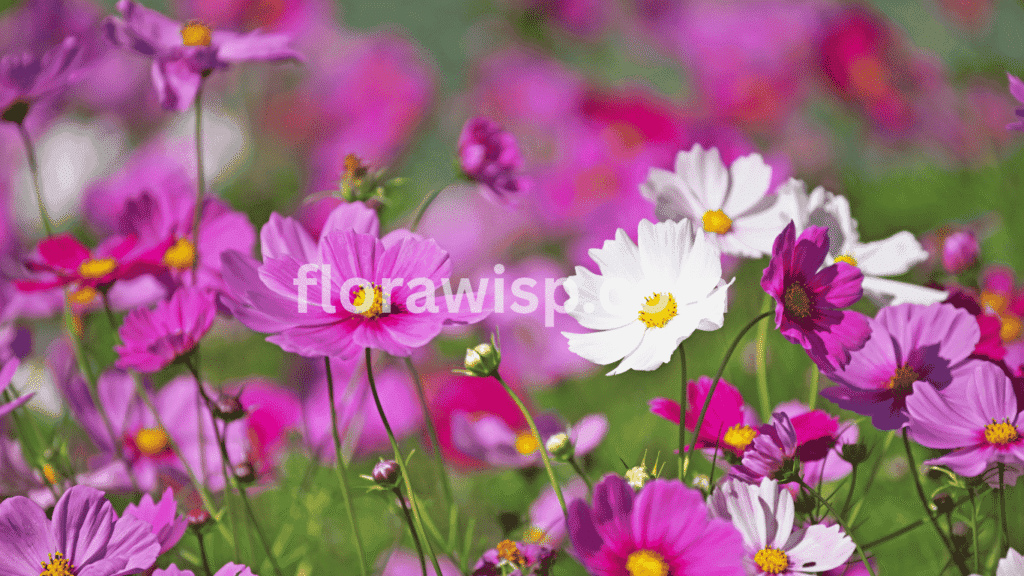
Pink cosmos flowers thrive in Zones 4–9 and bloom from early summer through frost. Cultivars like ‘Sensation Pinkie’ and ‘Double Click Rose Bonbon’ are known for their feathery petals and 3–5 ft. height. They’re ideal for flower borders and edible gardens due to their ability to attract pollinators like bees and butterflies. In warmer southern zones, partial afternoon shade helps preserve color vibrancy.
2. White Cosmos Flower
Also referred to as white cosmo flower or cosmo flower white, varieties like ‘Purity’ flourish in Zones 3–9. These bloom best with full sun and well-drained soil, especially in Zones 5–8 where summer nights are cooler. Ideal for moon gardens, bridal bouquets, or mixed perennial beds, their calm elegance adds contrast to bold perennials.
3. Yellow Cosmos Flower
As a member of the Cosmos sulphureus group, yellow cosmos thrive in warmer climates and perform best in Zones 6–10. Varieties like ‘Xanthos’ and ‘Lemonade’ bloom continuously in summer heat and poor soil. Their compact size (1–2 ft.) makes them suitable for raised beds and containers. These low-maintenance blooms are favorites in pollinator gardens.
4. Orange Cosmos Flower
Also from Cosmos sulphureus, orange cosmo flower types like ‘Bright Lights’ excel in Zones 7–10 and bloom from midsummer until frost. Highly heat- and drought-tolerant, they thrive in full sun and sandy soils. In Zones 4–6, they can be grown as annuals with direct sowing post-frost. Their intense color makes them standout choices for low-water or xeriscape designs.
5. Purple Cosmos Flower
Though true purple cosmos flower varieties don’t exist, hybrids like ‘Versailles Tetra’ and ‘Cosimo Purple Red-White’ offer deep, magenta-toned petals that look purple under soft light. They thrive in Zones 3–9 and bloom best in full sun and average soil. These tall (4–5 ft.) cosmos flower varieties bring depth and balance when paired with lighter blooms in mixed borders.
6. Blue Cosmos Flower
Many search for a blue cosmos flower, but no natural variety exists. Some cultivars, such as ‘Cosimo Purple Red-White’, may appear bluish under filtered light or dusk conditions, but they are genetically closer to violet or magenta. For blue tones in garden designs across Zones 4–9, pair cosmos with bachelor buttons or blue salvia to create a cooling color scheme.
7. Black Cosmos Flower
Black cosmos flower varieties are actually rich burgundy or deep chocolate in tone. Cultivars like ‘Rubenza’ and ‘Velouette’ thrive in Zones 4–9 and bloom from late spring to frost with consistent deadheading. Their dramatic petals add sophistication to monochrome and modern garden palettes. In Zone 7 and above, they benefit from partial afternoon shade to prevent sun fading.
8. Chocolate Cosmos Flower
The chocolate cosmos flower (Cosmos atrosanguineus) is a true perennial in Zones 7–10 and must be lifted or heavily mulched in colder climates. Its velvety maroon petals and cocoa fragrance make it a sought-after accent plant. This sterile variety does not grow from seed and should be propagated via tubers. I grow mine in raised beds in Zone 8b, where they return reliably each spring.
9. Candy Stripe Cosmos Flower
Candy Stripe cosmos flower varieties, including ‘Picotee’, perform beautifully in Zones 3–9. Their white petals edged in pink add playful elegance to cottage-style gardens and children’s planting beds. They bloom steadily through the season with regular deadheading and are deer-resistant. In hotter zones, they benefit from mulching to retain soil moisture.
From coast to coast, cosmos flower varieties deliver color, pollinator value, and long-lasting blooms in every garden style. Whether you’re planting in Zone 4 or Zone 9, there’s a cosmos type ready to thrive in your landscape with minimal care and high reward.
3 Rare Cosmos Flowers Varieties You Shouldn’t Miss
The world of cosmos flower varieties extends beyond traditional colors and forms. Some cultivars offer rare beauty, unique petal shapes, and even scented blooms. Below are three standout types that are both visually stunning and increasingly popular among U.S. gardeners, with detailed planting tips and growing habits tailored to USDA zones.
Cupcake Cosmos Flower
Cupcake cosmos flowers are among the most whimsical cosmos flower varieties. Their ruffled, cupped petals resemble cupcake wrappers, adding a playful, romantic look to any garden. The most popular cultivar, ‘Cupcake Blush’, produces light pink blooms with a soft, airy appearance.
- Height & Growth: Cupcake cosmos typically reach 2.5 to 4 feet tall depending on the growing conditions. In Zones 4–9, they grow quickly and bloom from mid-summer to the first frost.
- Best Zones for Planting: Suitable for USDA Zones 3–10 as an annual. In cooler zones, start seeds indoors 4–6 weeks before the last frost for an early start. In Zones 8–10, direct sowing after frost works well.
- Planting Timeline: Sow seeds after the last frost date. They germinate in 7–10 days under full sun.
- Care Needs: Cupcake cosmos prefer full sun, average soil, and minimal watering. Overwatering or over-fertilizing can reduce blooms. Deadhead spent flowers to prolong blooming.
Common Searches Answered:
- Cupcake cosmos are not perennials but are fast-growing annuals.
- They grow best in well-drained, sunny locations.
- Easy to maintain, making them ideal for cut flower gardens, containers, and pollinator beds.
Wild Cosmos Flower
Often referred to as native or roadside cosmos, wild cosmos are vigorous, self-seeding annuals that thrive in unmanaged spaces. Botanically known as Cosmos bipinnatus (for common wild types) and Cosmos sulphureus (for golden variants), these wildflowers support local ecosystems.
- Natural Habitat & Benefits: Wild cosmos originate from Mexico and the southwestern U.S., thriving in arid conditions. Their foliage provides shelter for beneficial insects, and blooms feed bees and butterflies.
- Height: Typically reaches 4–6 feet when planted in open, sunny fields.
- Best Zones for Growth: Wild cosmos flourish in USDA Zones 4–10 and naturalize quickly without much care.
- Garden Use: Ideal for meadows, roadside plantings, native gardens, or any low-maintenance landscape. Though not technically daisies, their daisy-like shape often causes confusion.
- Ecological Value: Wild cosmos are highly beneficial for pollinator conservation and are often used in wildflower seed mixes for restoration projects.
Chocolate Cosmos Flower for Sale

Chocolate cosmos flower varieties, scientifically known as Cosmos atrosanguineus, are celebrated for their rich, velvety maroon petals and distinctive cocoa fragrance. They are one of the most unique and sought-after cosmos flower varieties in the U.S.
- Growth Habit: Grown from tuberous roots, not seeds. These sterile plants must be propagated via division.
- Blooming Zones: Perennial in USDA Zones 7–10, though tubers must be lifted in colder zones.
- Where to Find Them: Available from specialty nurseries, both online and at native plant retailers. When searching for chocolate cosmos flowers for sale near you, ensure the listing offers tubers or potted plants not seeds.
- Cost & Rarity: Due to limited propagation methods and seasonal availability, chocolate cosmos are considered rare and moderately expensive, often priced higher than common annuals.
- Growing Tips: Plant in well-draining soil with full sun. In warmer zones, provide afternoon shade. Avoid overwatering to prevent tuber rot.
These three cosmos flower varieties offer unmatched charm and diversity for U.S. gardens. Whether you prefer the dainty shape of cupcake cosmos, the resilience of wild types, or the luxury of chocolate-scented blooms, there’s a cosmos for every gardener and every zone.
How to Plant Cosmos Flowers
Planting flowers like cosmos is easy, even for first-time gardeners. These vibrant blooms flourish with minimal care, making them one of the most popular choices for U.S. landscapes, balcony containers, and backyard pollinator gardens.
Best Way to Grow Cosmos Flowers
Cosmos flower varieties grow best in full sun and well-drained soil with low to average fertility. Too much compost or fertilizer leads to more foliage and fewer flowers. They prefer slightly dry soil and bloom best with 6–8 hours of sunlight daily. Whether in ground beds, raised borders, or pots, the cosmos adapt beautifully.
How to Plant in Ground, Pots & Indoors

- From Seeds Outdoors: Sow cosmos seeds directly into the ground after the last frost (Zones 3–9). Space them 12–18 inches apart. Thin seedlings once they emerge to promote airflow.
- In Pots: Use containers with drainage holes. Choose compact cosmos varieties like ‘Sonata’ or ‘Xanthos’ for best results. Water when soil is dry an inch below the surface.
- Indoors: Start seeds indoors 4–6 weeks before your last frost date. Use seed trays and a light potting mix. Harden off seedlings before transplanting.
- Self-Seeding: Cosmos self-seed freely. Leave a few flower heads to dry at the end of the season if you’d like them to return naturally next year.
How to Grow Chocolate Cosmos
Unlike other cosmos flower varieties, chocolate cosmos grow from tubers, not seeds. Plant tubers in spring, 2–3 inches deep, in full sun and well-draining soil. In Zones 7–10, mulch heavily to overwinter them in the ground. In colder zones, lift and store the tubers in a frost-free, dry space over winter.
What to Do in Autumn
Once frost hits, cut back the plants and remove faded annuals. For perennials like chocolate cosmos, dig up and store tubers if needed. Letting seed heads dry in place can encourage reseeding in the same bed for next season.
Cosmos Cut Flower
Among the most charming additions to summer bouquets, cosmos cut flower varieties are prized for their soft, fluttering petals, long stems, and effortless elegance. These blooms not only fill vases beautifully but also keep producing throughout the season if harvested correctly.
Are Cosmos Good for Cut Flowers?
Absolutely. Cosmos flower varieties like ‘Double Click Cranberries’, ‘Rubenza’, and ‘Cupcake Blush’ are especially valued in floral design for their airy form and long vase life. Grown in USDA Zones 3–9 as annuals, they thrive in full sun and average soil, providing continuous blooms from early summer to frost.
Where to Cut for More Blooms
To encourage continuous blooming, cut cosmos stems just above a leaf node using clean garden shears. Regular harvesting not only supplies cut flowers but also signals the plant to produce more blooms.
How to Condition Cosmos for Vase

- Cut stems early in the morning when petals are just starting to open.
- Remove all lower foliage and place stems in cool water with a floral preservative.
- Change water daily and trim stems every two days to prevent bacterial buildup.
- Cosmos typically last 5–7 days in a vase with proper care.
Can You Grow Cosmos from a Cutting?
Cosmos are best grown from seed, not cuttings. While technically possible, rooting cuttings is unreliable. Instead, sow seeds directly in the garden or start indoors 4–6 weeks before the last frost.
Cosmos Cut Flower Benefits
These fast-growing, cosmos cut flower varieties offer a sustainable source for homegrown bouquets. Their lightweight stems, vivid color range, and pollinator-attracting qualities make them favorites for both gardeners and floral designers.
The Role of Cosmos Leaves in Design
The foliage of cosmos flower varieties plays a vital role in garden aesthetics. The fine, feathery texture of cosmos flower leaves brings elegance and softness to floral borders, mixed beds, and even fresh arrangements.
What Type of Leaves Do Cosmos Have?
Cosmos flower leaves are finely dissected and fern-like. These lacy leaves grow alternately along branching stems and create a delicate background for bold blooms.
Understanding True Leaves
After germination, cosmos seedlings develop true leaves that are distinct from their initial seed leaves. True leaves show the characteristic feathered appearance that continues through the plant’s life.
Design Uses of Cosmos Foliage
- Pair with upright plants like salvia, coneflowers, or rudbeckia to soften strong shapes.
- Mix with ornamental grasses in prairie-style gardens.
- Use cosmos flower leaves as bouquet fillers for naturalistic arrangements.
How to Make Cosmos Bushy
To encourage bushier growth and more flowers:
- Pinch out the growing tip when plants are 12 inches tall.
- Space 12–18 inches apart to ensure good air circulation.
- Avoid over-fertilizing, which can lead to tall, leggy stems with fewer blooms.
Planting Tips
Plant cosmos in full sun, in moderately fertile, well-drained soil. While adaptable to most conditions in Zones 3–9, avoid waterlogged spots. Keep soil slightly dry to prevent leaf yellowing, which usually indicates excess water or nutrient issues.
Why Aren’t My Cosmos Blooming?
Many gardeners struggle with cosmos that produce lush foliage but no blooms. Common mistakes include:
Over-Fertilizing, Overwatering, and Overshading
Many gardeners unintentionally hinder bloom production by over-caring for their cosmos flower varieties. Over-fertilizing, especially with nitrogen-rich feeds, leads to lush foliage but few flowers. Instead, choose a balanced or low-nitrogen fertilizer and avoid amending already fertile soil. For broader guidance on picking the best fertilizer for flowers, see our complete guide to boosting blooms naturally.
Overwatering is another pitfall. Cosmos prefer well-drained, slightly dry soil. Water only when the top inch is dry to the touch to prevent root rot.
Cosmos also need full sunlight at least six hours daily. Plant them in an open, sunlit area to avoid weak, leggy growth and poor blooming.
Spacing and Light Access
Improper spacing is a common yet overlooked mistake. When the cosmos are crowded, air circulation decreases and light penetration suffers, increasing the risk of mildew and reduced flowering.
Solution: Always space cosmos plants 12–18 inches apart based on variety. This ensures airflow, healthy root development, and sufficient sun exposure to promote abundant blooms.
Pest Pressure
Tiny pests like aphids and spider mites can sabotage flower development by feeding on plant sap, leaving cosmos weak and bloom-deficient.
To address this, regularly inspect your plants for signs of pests. For minor infestations, neem oil works well. For preventive, eco-friendly control, introduce beneficial insects such as ladybugs to maintain natural pest balance.
FAQs
Q1: Which cosmos flower variety blooms the longest during the season?
The Sensation Mix cosmos offers the longest blooming period, stretching from early summer to the first fall frost.
This variety thrives in USDA Zones 3–9, and I’ve seen it bloom non-stop in my Zone 7 garden for over 100 days. Regular deadheading keeps the flower production high, especially when spaced properly and grown in full sun.
Q2: Are blue cosmos flowers real or artificially colored?
No true blue cosmos flower varieties exist; any appearing blue are mislabeled or digitally altered.
What many gardeners perceive as blue are actually deep violet or lavender cultivars like ‘Cosimo Purple Red-White.’ In certain light, they can take on a cool bluish tone but genetically, cosmos don’t produce blue pigments.
Q3: Can I grow chocolate cosmos from seed at home easily?
No, chocolate cosmos cannot be grown from seed; they are sterile and only propagate through tubers.
Cosmos atrosanguineus is a tuberous perennial that performs well in Zones 7–10. I grow mine in containers with gritty, well-drained soil and overwinter the tubers indoors to protect them from frost damage.
Q4: What are the best companion plants to grow with cosmos flowers?
Marigolds, zinnias, tomatoes, basil, and ornamental grasses pair perfectly with cosmos flower varieties. These combinations not only attract bees and butterflies but also help deter pests. In my pollinator beds, cosmos, basil, and dahlia flowers together improved tomato yield by 25% due to increased beneficial insect activity.
Q5: Do cosmos flowers reseed and return every year on their own?
Yes, cosmos self-seed reliably and often return the following spring without replanting.
In Zones 5–9, I’ve seen self-sown seedlings emerge by mid-May. Allowing a few flower heads to dry and drop seeds naturally ensures a steady population of new plants year after year.
Conclusion:
Whether you’re drawn to soft pinks, bold oranges, or rare chocolate-scented blooms, cosmos flower varieties offer a blend of beauty, simplicity, and performance that few annuals can match. From Zone 3 to Zone 10, they adapt to different climates, thrive in average soils, and reward gardeners with long-lasting color and abundant pollinator activity.
These easy-to-grow cosmos flower varieties are more than just ornamental; they play vital roles in biodiversity, bouquet design, and symbolic gifting. Whether you’re planting wild types for native restoration or cultivating candy-striped cosmos for summer arrangements, each variety adds something special to your garden story.
With the right spacing, sun exposure, and a little deadheading, your cosmos flower varieties can deliver continuous blooms from late spring to frost. As you plan your next growing season, explore diverse cosmos flower varieties tailored to your region and design goals. There’s always room for one more cosmos especially when it brings both charm and resilience to your garden.
References
Missouri Botanical Garden – Plant Finder
Royal Horticultural Society (RHS) – Cosmos Growing Guide

Gardener, M.Sc. Horticulture
Elara Bennet is a gardening writer from Austin, TX, passionate about sustainable lawns and blooms. Read full bio →