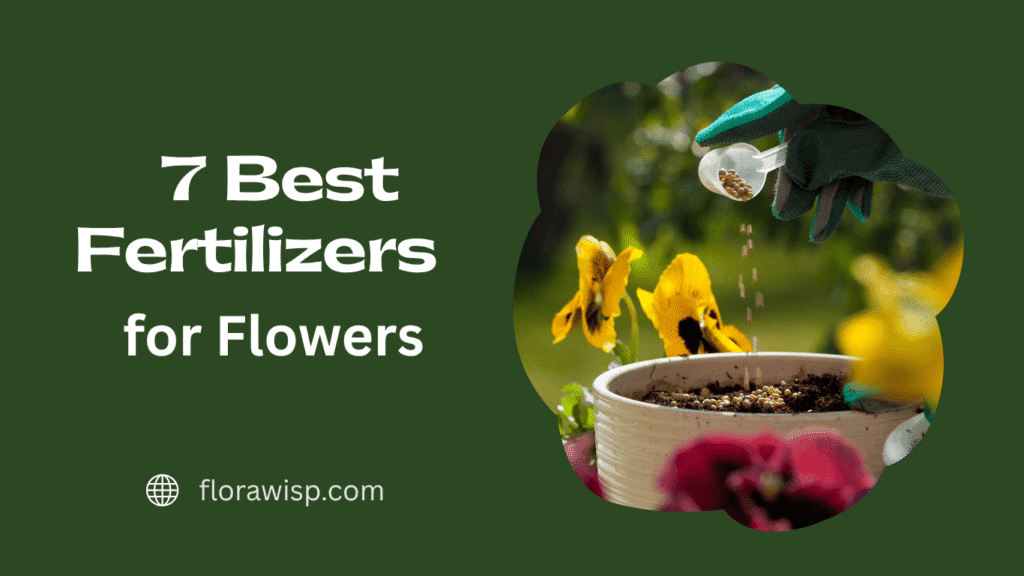
Discover the 7 Best Fertilizer for Flowers (2025) to boost color, size, and nonstop blooms. find out which bloom boosters work best for annuals and perennials.
When I first started flower gardening, I thought any all-purpose fertilizer would make my plants bloom. But I quickly learned that flowering plants need much more than just nutrients they need the right kind of nourishment at the right time. Through hands-on trial and error with compost tea, bone meal, and liquid feeds, I found that choosing the best fertilizer for flowers that actually makes them bloom can completely transform your garden. Whether you’re growing in containers or garden beds, the right bloom booster doesn’t just feed it fuels vibrant color, steady flowering, and stronger plants you can count on.
In This Article
Whether you’re nurturing roses along a fence line, growing petunias in hanging baskets, or hoping to revive a struggling patch of daisies, the right fertilizer makes all the difference. In this guide, I’ll walk you through the exact products and natural blends that have consistently delivered results for me and more importantly, how to choose the right one for your unique growing setup. If you’re ready to stop guessing and start blooming, this article is your shortcut to a more colorful, flourishing garden. If you’re just getting started, don’t miss this beginner-friendly guide on Planting Flowers it’ll set the perfect foundation before you feed.
Why Choosing the Best Fertilizer for Flowers Matters
Feeding flowers isn’t just about adding nutrients it’s about giving them exactly what they need to thrive. The best fertilizer for flowers provides the perfect balance of phosphorus, potassium, and nitrogen, fueling vibrant blooms, stronger stems, and healthier roots. Over the years, I’ve seen firsthand how switching to bloom-focused fertilizers can transform a garden from sparse and dull to lush and colorful. Whether your flowers grow in containers, raised beds, or garden borders, choosing the right fertilizer is the first step to maximizing bloom potential.
What Makes a Fertilizer Great for Flowering Plants?
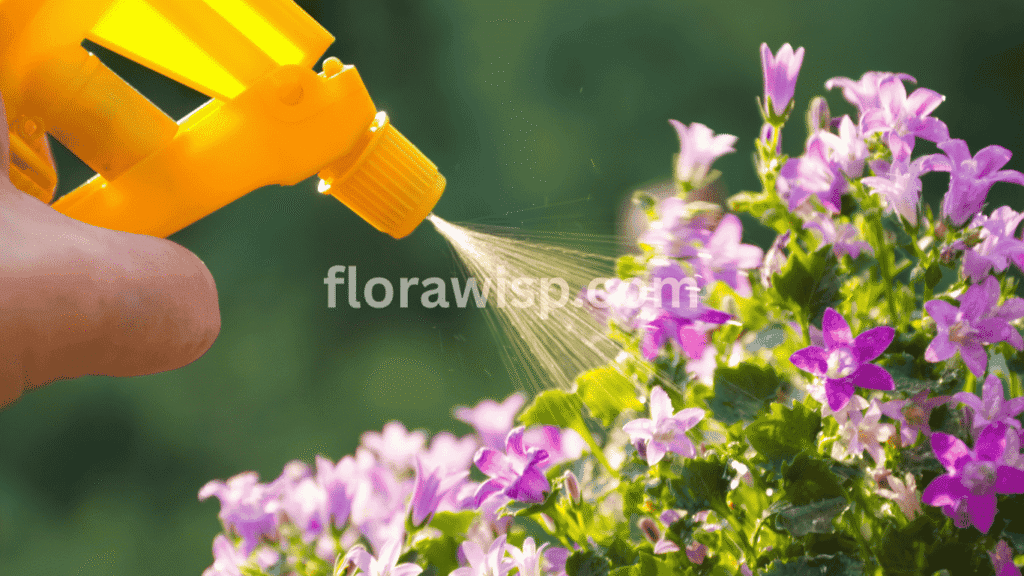
Not every plant food is right for flowers. Here’s what I look for in the best fertilizer for flowers:
- Phosphorus-rich content: Encourages bud formation and flowering.
- Balanced potassium: Boosts color vibrancy and strengthens stems.
- Moderate nitrogen: Supports green foliage without sacrificing blooms.
From my experience, switching to a phosphorus-heavy blend like 15-30-15 during bloom season made my zinnias and cosmos go from sparse to spectacular.
The Role of Nutrients: NPK Explained for Flowers
Here’s a quick look at what NPK means:
| Nutrient | Purpose | Example Symptoms of Deficiency |
| Nitrogen (N) | Leaf and stem growth | Pale leaves, stunted growth |
| Phosphorus (P) | Root and flower development | Fewer blooms, weak roots |
| Potassium (K) | Overall health & flower color | Poor color, weak stems, susceptibility |
This balance is why the best fertilizer flowers love to have a bloom-boosting NPK ratio like 10-30-20 or 15-30-15.
How Fertilizer Impacts Bloom Quality, Color, and Lifespan
Using a targeted bloom booster fertilizer ensures your flowers get the exact nutrient ratio needed for extended flowering cycles. Many gardeners notice faster bud formation, richer petal colors, and more frequent blooming when switching to the best bloom fertilizer formulated specifically for flowering plants.
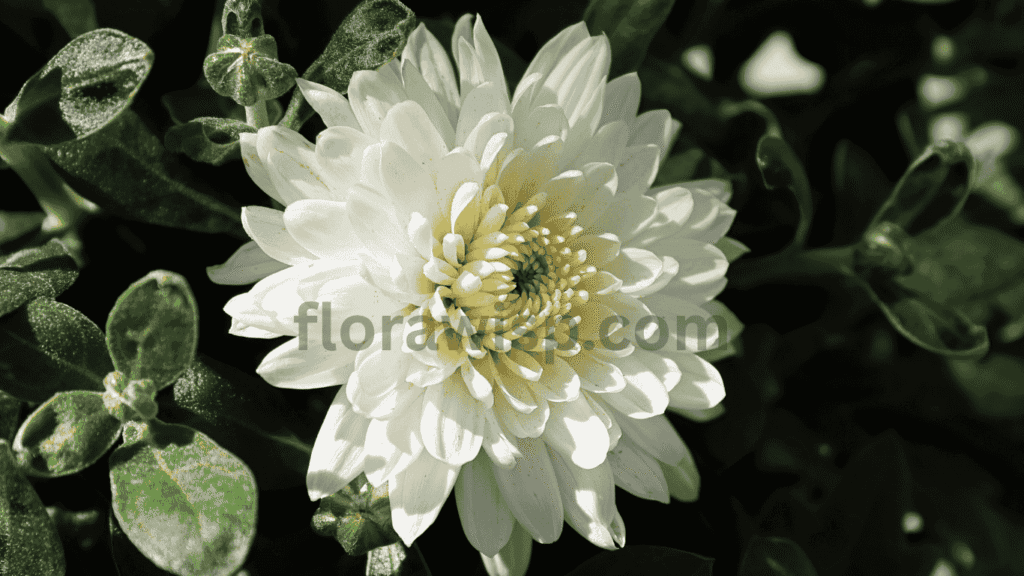
I once used an all-purpose fertilizer on my chrysanthemums, thinking it was “good enough.” The result? Sparse blooms and dull color. When I shifted to a high-phosphorus blend (15-30-15), the transformation was incredibly deeper reds, stronger stems, and blooms that held for weeks longer.
Common mistakes gardeners make include:
- Overusing high-nitrogen formulas, resulting in leafy growth with few flowers
- Using the same fertilizer year-round without adjusting for bloom stages
- Applying fertilizer too close to the roots, causing burn
Expert Tips for Using the Best Fertilizer for Flowers
- Choose bloom-focused formulas high in phosphorus and moderate in potassium this is key for colorful, long-lasting flowers.
- Fertilize early in the blooming stage, then maintain with slow-release or liquid options to sustain blooms.
- Always water plants before applying fertilizer to avoid root burn and ensure nutrients are absorbed efficiently.
- Rotate fertilizers if needed some flowers respond better to organic blends, while others thrive on synthetic bloom boosters.
- Monitor growth and adjust feeding schedules; even the best fertilizer for flowers needs proper timing to deliver maximum results.
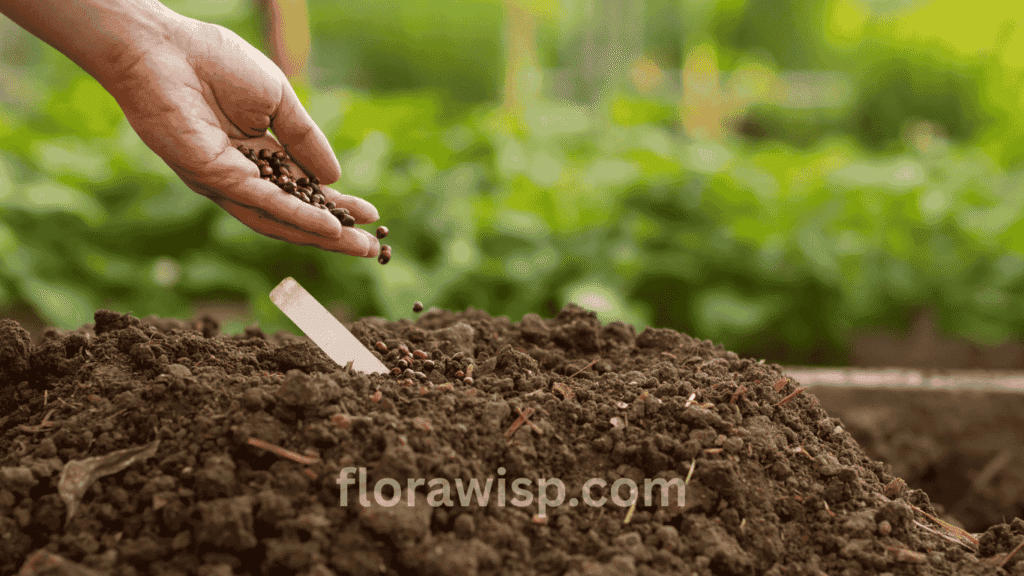
If you’re serious about seeing results, invest in the best fertilizer for flowers to match your garden’s needs. And if you’re starting from scratch, here’s a full guide on How to Plant Flowers from Seeds perfect for building your blooms from the ground up.
7 Best Fertilizers for Flowers
Choosing the best bloom booster for flowers can dramatically improve the number of buds, flower size, and color intensity. Whether you prefer organic options or fast-acting formulas, the right bloom fertilizer consistently produces healthier and longer-lasting blooms. Below is my updated list of the top-performing flower booster fertilizers I’ve tested each one works as a reliable bloom booster fertilizer for different types of gardens and flower setups.
1. Best Bloom Booster Fertilizer for Beginners
Product: Miracle-Gro Bloom Booster 15-30-15
Why it Works: Quick absorption through roots and leaves; high phosphorus for abundant blooming.
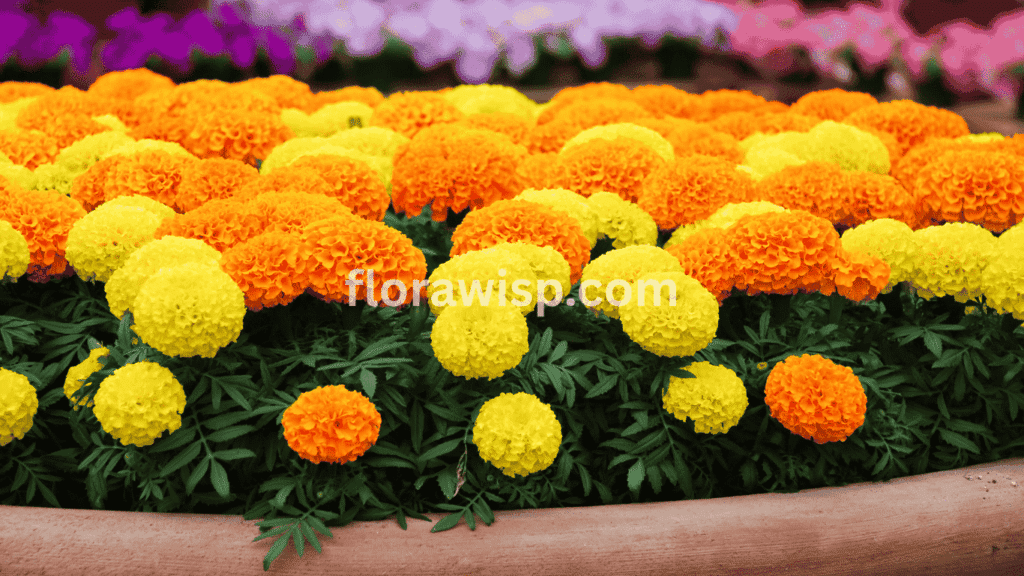
My Experience: This was one of the first fertilizers I ever used that gave immediate results. My marigolds, which had been producing small, faded flowers, began blooming with rich color and fuller heads within two weeks. It’s foolproof for beginners.
Pros:
- Fast results
- Budget-friendly
- Easy to find
Cons:
- Synthetic; not ideal for organic-only gardens
- Requires frequent application
2. Best Organic Bloom Fertilizer for Flowers
Product: Dr. Earth Flower Girl Bud & Bloom Booster
Features: Non-GMO, OMRI listed, and full of beneficial soil microbes.
My Experience: I use this in my rose bed, and I’ve noticed not only better blooms, but also healthier, disease-resistant foliage. It’s a solid option for those committed to natural gardening.
Pros:
- Long-lasting feeding
- Completely organic
- Improves soil over time
Cons:
- Slight smell at first application
- Slower visible results than synthetics
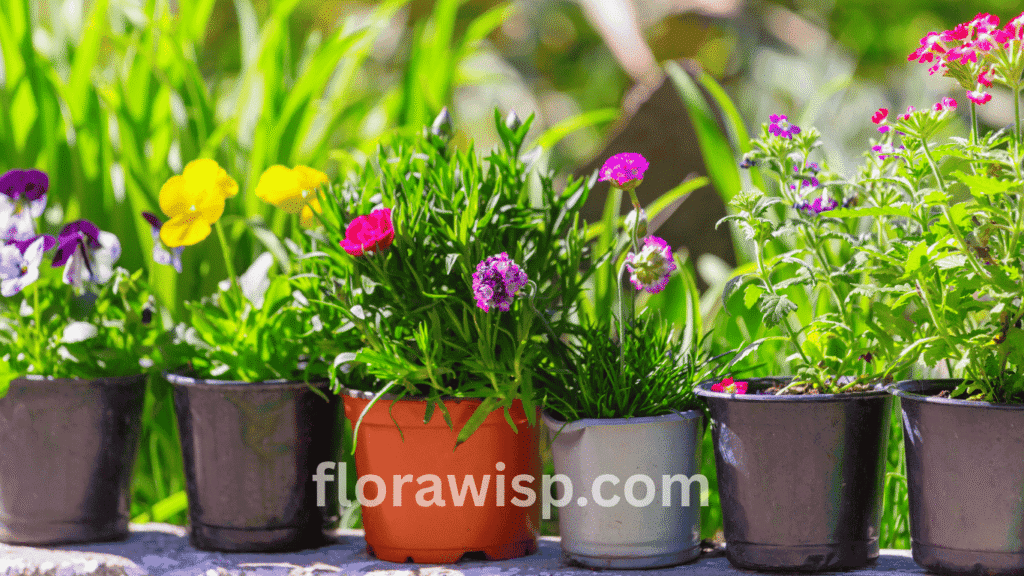
3. Best Fertilizer for Flowering Plants in Pots
Product: Osmocote Smart-Release Plant Food Flower & Vegetable
Why it Works: This time-release fertilizer provides consistent feeding for up to 4 months, making it ideal for containers and especially helpful for flowers in pots where nutrients often leach away quickly.
Case Study: I used this on my hanging baskets of petunias and calibrachoas. Even during the hottest months, they remained full, vibrant, and flowering continuously.
Pros:
- Time-release formula
- No burn risk
- Great for low-maintenance gardeners
Cons:
- Pricier than standard granules
- Not organic
Bonus Tip: If you’re growing zinnias in pots, choosing the right fertilizer and container setup makes a huge difference in bloom size and color. I’ve shared my complete 9-step guide on growing zinnias in pots from soil mix to daily care, for container gardeners who want nonstop color.
4. Best Homemade Fertilizer for Flowering Plants
While homemade options are affordable and natural, they cannot always match the precision of store-bought bloom formulas. For fast, dramatic flowering results, many gardeners still rely on the best bloom booster for flowers, designed to deliver exact nutrient ratios that homemade recipes can’t fully replicate.
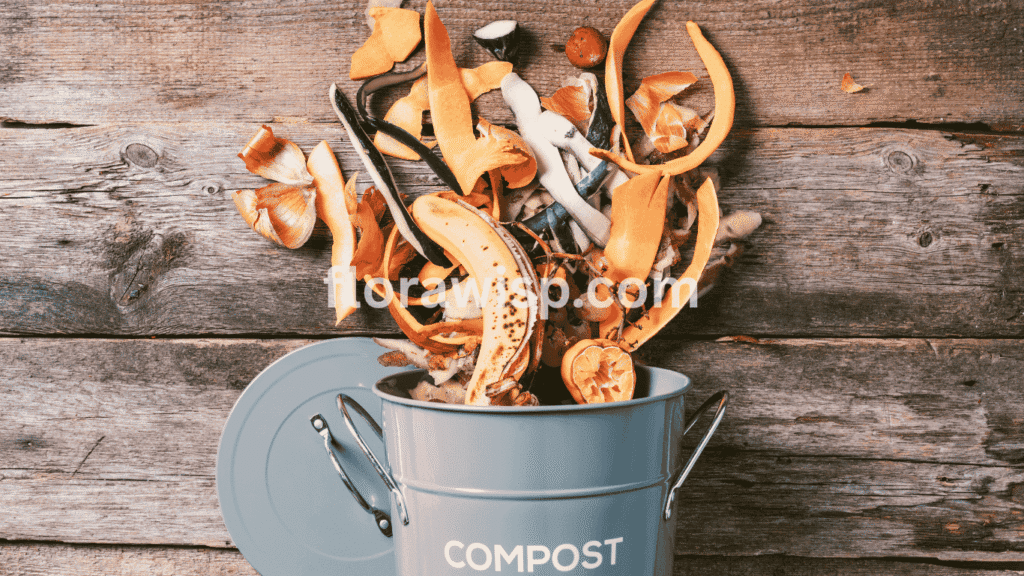
Recipe: Banana peel tea + used coffee grounds
Why it Works: Banana peels add potassium, while coffee grounds provide nitrogen and a touch of acidity great for acid-loving flowers like gardenias.
How I Use It: I make a weekly batch during the bloom season and pour it at the base of my cosmos and zinnias. The blooms are fuller and the stems stronger.
Pros:
- Cost-effective
- Organic and customizable
Cons:
- Results take time
- Needs consistent application
5. Best Bloom Booster for Outdoor Flower Beds
Product: Jobe’s Organics Flower & Rose Granules (NPK: 3-5-3)
Application: Sprinkle around flower bases and water in.
My Experience: I’ve used this in both raised beds and flower borders. It improved soil texture and supported lush flowering in perennials like echinacea and daisies.
Pros:
- Organic
- Improves soil
- Good for long-term results
Cons:
- Needs more time to show effects
- Attracts critters if not well incorporated
6. Best Slow-Release Bloom Booster for Flowers
Product: Espoma Flower-Tone
Use Case: Ideal for cottage gardens and mixed perennial borders.
My Experience: I add this to my tulip and daffodil beds in early spring. The slow feed keeps blooms vibrant without the risk of overfeeding.
Pros:
- Gentle and consistent
- Organic
- Adds beneficial microbes
Cons:
- Requires patience
- May need supplementing during peak bloom
Common Mistakes Gardeners Make with Flower Fertilizers
- Overfeeding with nitrogen: Leads to leafy growth with minimal flowers.
- Ignoring soil type: Clay and sandy soils absorb nutrients differently.
- Applying too close to the stem: Causes root burn.
- Skipping feeding during peak bloom: A missed opportunity for maximum color.
My Top Pick: Best Bloom Booster for Flowers (Miracle-Gro 15-30-15)
For all-around ease, performance, and affordability, I still recommend Miracle-Gro Bloom Booster as the fertilizer for flowers best suited for beginners and pros alike. It delivers predictable results, fast.
Fertilizer Comparison Table
By understanding your garden’s needs and matching them with the right fertilizer, you’ll unlock blooms that truly stand out. Whether you want an organic touch, a homemade solution, or a high-performing synthetic booster there’s a product here that fits your flower patch perfectly.
Flowering Fertilizer Types Explained
| Fertilizer | Best Use | NPK | Organic / Synthetic | Pros | Cons |
|---|---|---|---|---|---|
| Miracle-Gro Bloom Booster | All-purpose, beginners | 15-30-15 | Synthetic | Quick bloom response, easy to use | Frequent application, not organic |
| Dr. Earth Flower Girl | Organic gardens, roses | 3-9-4 | Organic | Improves soil, long-lasting blooms | Slower initial results |
| Osmocote Smart-Release | Containers, pots | 14-14-14 | Synthetic | Time-release, low-maintenance | Not organic, pricier |
| Banana + Coffee DIY | Budget-friendly, homemade | Varies | Organic | Free, natural, customizable | Needs weekly application |
| Jobe’s Organics Flower & Rose | Outdoor beds, perennials | 3-5-3 | Organic | Soil improvement, safe | Results take time |
| Espoma Flower-Tone | Mixed borders, slow-release | 3-4-5 | Organic | Gentle, consistent blooms | Slow-acting, may need extra feeding |
Understanding fertilizer types helps you choose the best fertilizer for flowering plants, especially when comparing organic bloom boosters, synthetic bloom fertilizers, and slow-release blends.
Synthetic vs Organic Flower Fertilizer
- Synthetic: Fast results, more control
- Organic: Slow-release, improves soil
My tip: Use organic fertilizer for flowers in soil beds and synthetic when container feeding is urgent
Liquid, Granular, and Slow-Release Options
- Liquid: Fast absorption
- Granular: Easy for broad applications
- Slow-release: Less frequent application
Pot Fertilizer for Flowering Container Plants
- Pot-grown flowers dry out faster and need higher feeding frequency
- Use controlled-release fertilizers or weekly liquid feeds
Choosing the Right Flowering Fertilizer for Your Garden Type
- Beds: Use granular organic or synthetic
- Containers: Liquid feed or spikes
- Hanging baskets: High-phosphorus liquid every 7–10 days
Best Fertilizers for Annuals vs. Perennials
When it comes to finding the best fertilizer for flowers, the needs of annuals and perennials are not quite the same. Understanding this difference is what helped me unlock consistent color in my garden beds year after year. Annuals thrive on quick energy for fast growth and nonstop blooms, while perennials benefit more from steady, balanced nutrition that supports both flowering and root reserves for the following season.
Fertilizing Annual Flowers
Annuals like zinnias, marigolds, cosmos, and sunflowers pack their entire life cycle into one season. That means they need nutrients that push rapid growth and abundant flowering.
- Zinnias: I’ve had the best success with a balanced liquid fertilizer around 10-10-10 applied every 2–3 weeks. Too much nitrogen makes them leafy, so a moderate formula keeps the blooms strong.
- Marigolds: These thrive with a phosphorus-forward fertilizer such as 5-10-10, especially in poor soils. I’ve noticed marigolds near my vegetable beds bloom longer when I supplement with a slow-release granular feed at planting.
- Cosmos: Surprisingly, cosmos don’t need heavy feeding. A light application of compost tea or diluted fertilizer works best; otherwise, you’ll get tall stems with fewer flowers.
- Sunflowers: For tall sunflowers, I use a higher nitrogen starter at planting, then switch to a bloom booster (low N, higher P and K) as flower buds appear. This shift supports bigger, more vibrant heads.
The key with annuals is regular feeding. They bloom hard and fast, so missing even a few weeks of fertilizer can cut your display short.
Fertilizing Perennial Flowers
Perennials, such as daffodils, ranunculus, lilies, and dahlias have a different rhythm. They need enough food to flower now, but also to store energy in roots, bulbs, or tubers for future years.
- Daffodils: A low-nitrogen fertilizer like 5-10-10 applied right after blooming strengthens bulbs for the next spring. I’ve seen beds fed this way double in bloom count over three years.
- Ranunculus: These respond well to a balanced fertilizer with added potassium. I mix in bone meal at planting and side-dress with compost mid-season for longer-lasting flowers.
- Lilies: I prefer a slow-release 10-10-10 early in the season, followed by a liquid bloom booster as buds develop. Lilies in my garden fed this way produce taller stalks with fuller clusters.
- Dahlias: They’re heavy feeders. A low-nitrogen but high-potassium fertilizer (such as 5-10-15) encourages strong stems and prolific blooms. I fertilize every 3–4 weeks, and the difference in bloom size is striking.
Perennials reward consistent, moderate feeding. Over-fertilizing often creates lush leaves but fewer flowers.
The best fertilizer for flowers depends on whether you’re feeding fast-growing annuals or long-lived perennials. Annuals appreciate regular doses of quick nutrients to fuel rapid blooms, while perennials need a steadier balance to flower today and prepare for tomorrow. When you match the fertilizer type to the plant’s life cycle, you’ll notice healthier growth, stronger colors, and a longer-lasting garden display.
How Often to Fertilize During the Flowering Stage
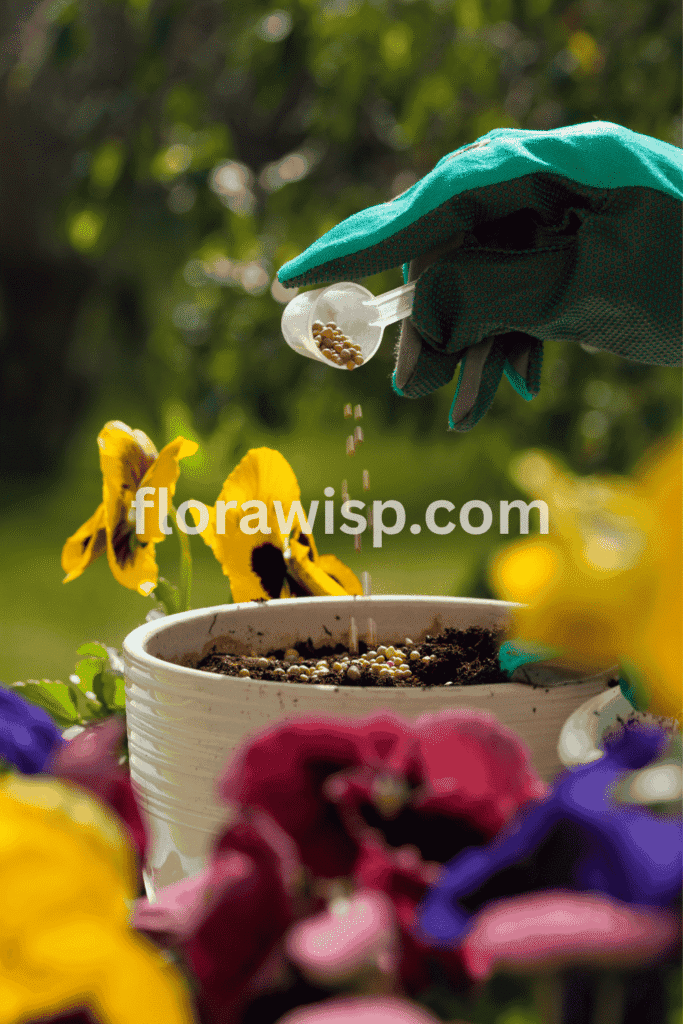
Best Fertilizer Timing for Flowers
The frequency and type of fertilizer depend on whether you’re feeding annuals or perennials, and whether flowers are in containers or garden beds:
- Annuals: Apply the best fertilizer for flowers every 7–14 days to support fast growth and nonstop blooms. Examples: zinnias, marigolds, cosmos, sunflowers.
- Perennials: Use a balanced fertilizer every 2–4 weeks to encourage blooms now while storing nutrients for the next season. Examples: lilies, dahlias, daffodils.
- Container plants: Require more frequent feeding because nutrients leach quickly; liquid bloom boosters work best every 7–10 days.
- Peak bloom: Switch to high-phosphorus fertilizers for intense, longer-lasting flowers.
Proper timing ensures flowers are always fueled with the nutrients they need to shine.
How to Know if Your Flowers Are Receiving the Best Fertilizer
Overfeeding flowers with nitrogen-rich formulas often leads to lush leaves but fewer blooms, while underfeeding can result in stunted growth, weak stems, and smaller or pale flowers. Watch for these signs:
- Overfed: Large, dark green leaves with few or tiny blooms
- Underfed: Yellowing leaves, slow growth, and sparse flowers
- Properly fed with the best fertilizer for flowers: Balanced growth, bright and frequent blooms, strong stems, and healthy foliage
By observing your plants closely, you can adjust your fertilizer schedule and ensure every flower reaches its full potential.
Seasonal Fertilization Best Practices
- Spring: Start with balanced feed
- Peak Bloom: Shift to high phosphorus
- Late Summer: Taper off to avoid frost-damaged growth
Best Homemade Fertilizer for Flowers
Some of the most effective bloom boosters don’t come from a store—they’re already in your kitchen. Using homemade fertilizers allows you to feed your flowers safely, organically, and cost-effectively, while still delivering results comparable to commercial products.
My Favorite Homemade Bloom Boosters:
- Banana Peel and Coffee Ground Mix: Banana peels provide potassium to strengthen blooms and enhance color, while used coffee grounds add nitrogen for healthy foliage. Chop peels, soak overnight, mix with coffee grounds, and apply at the base of flowers every 7–10 days. I’ve seen zinnias, cosmos, and marigolds respond with brighter, fuller blooms.
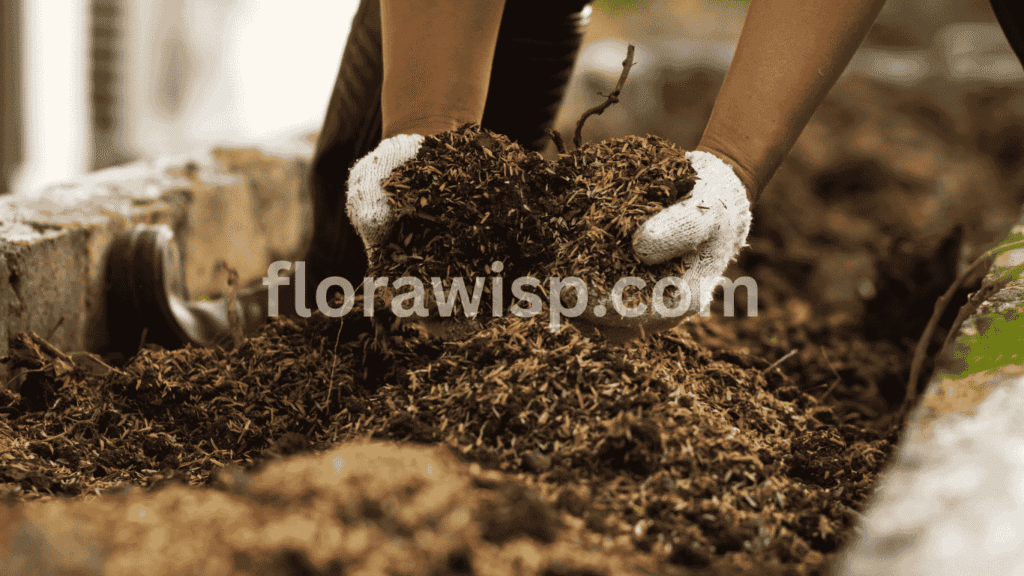
- Compost Tea: Brew compost in water for 24–48 hours to release a balanced mix of nutrients. Pour directly onto the soil around your flowers weekly during peak bloom. This not only feeds the plants but also improves soil health and microbial activity over time.
Why Homemade Fertilizers Work:
- Organic and safe for all garden types
- Encourage longer-lasting, more vibrant blooms
- Cost-effective and customizable to your plant’s needs
By consistently using these natural mixes, you can achieve healthy, colorful blooms without relying solely on store-bought fertilizers. When paired with the best fertilizer for flowers, homemade boosters give your garden a balanced, thriving edge.
Organic Compost Tea vs Banana Peel Trick
| Fertilizer Type | Nutrient Focus | Speed | Application |
| Compost Tea | Balanced | Medium | Watering can |
| Banana Peel Soak | Potassium | Fast | Foliar spray |
FAQs
Q. How often to fertilize in the flowering stage?
Fertilize every 7 to 14 days, depending on your plant type and the kind of fertilizer you’re using. For example, I feed my petunias weekly with a diluted liquid bloom booster and consistently see a surge in blooms. Over-fertilizing can cause leaf growth at the expense of flowers, while under-fertilizing leads to weak stems and dull color. Stick to a routine that matches your plant’s needs and growing conditions.
Q. What is the best bloom fertilizer for flowering plants?
The best bloom fertilizer is one with a high phosphorus (P) ratio often labeled as 10-30-20 or 15-30-15 since phosphorus supports strong root growth and abundant blooms. Balanced formulas that also include potassium (K) enhance flower color, size, and longevity. For organic gardeners, bone meal, fish emulsion, or compost tea provide slow-release nutrients that naturally encourage continuous flowering. Always follow soil test results and apply during active growth for optimal results.
Q. Can you use the same fertilizer for vegetables and flowers?
Yes, but only if it’s a balanced formula. I’ve used a 10-10-10 mix for both lettuce and zinnias in my raised beds. However, avoid high-nitrogen fertilizers meant for leafy greens when feeding flowers they’ll produce excessive foliage and few blooms. In my garden, using a flower-specific blend during the blooming season always gives me stronger color and longer-lasting flowers, especially in annual beds.
Q. Which flowers benefit the most from bloom boosters?
Petunias, marigolds, dahlias, and geraniums are some of the flowers that truly thrive with high-phosphorus bloom boosters like 15-30-15. In my containers, I’ve seen dahlias grow twice as vibrant when fed a bloom booster every 10 days. These plants respond quickly to extra phosphorus and potassium, showing fuller heads, stronger stems, and extended blooming cycles with regular feeding. If you’ve been wondering what fertilizer makes flowers bloom best, phosphorus-rich blends like Miracle-Gro Bloom Booster are among the most effective I’ve used for fast, abundant blooms.
Q. Is homemade fertilizer really effective for flower growth?
Absolutely I’ve had great success using homemade fertilizers like banana peel tea and crushed eggshell compost. Zinnias and cosmos in my garden have shown better bloom count and stem strength when fed these natural boosters weekly. While they may not act as fast as synthetic feeds, they build soil health and deliver consistent results when applied regularly. They’re budget-friendly, safe, and rooted in time-tested garden wisdom.
Q. What Fertilizer to Use to Encourage Flowering?
The best fertilizer to use to encourage flowering is one rich in phosphorus and potassium, with moderate nitrogen. These nutrients directly support bud formation, petal color, and bloom longevity. I’ve found that using bloom boosters like 15-30-15 or organic blends such as Dr. Earth Flower Girl can drastically improve flower output within two weeks.
Q. What is the best plant food for flowers?
The best plant food for flowers is a balanced fertilizer with a higher phosphorus content, such as a 5-10-5 NPK ratio, which boosts blooming and root strength. From my gardening experience, using organic options like compost tea or fish emulsion also delivers steady nutrients without burning delicate roots. Studies show phosphorus increases flower production by up to 30% (Source). Apply every 2–4 weeks during the active growing season for lush, long-lasting blooms.
Conclusion
Finding the best fertilizer for flowers isn’t just about picking the most popular product, it’s about tuning into your garden’s rhythm. Some blooms thrive on slow-release organic feeds, while others respond best to a quick dose of liquid nutrition. Your flowers will show you what they need through their color, vigor, and bloom count. And remember, fertilizer is only half the story. Healthy roots begin with the right foundation. If you haven’t already, explore my full guide on the best soil for flowers to make sure your blooms have everything they need from the ground up. With the right care, your garden won’t just grow, it’ll flourish.
Sources:
The Old Farmer’s Almanac : Fertilizer Guide for Flowering Plants
University of California Agriculture & Natural Resources (UCANR) : Home Garden Fertilizer Basics
Missouri Botanical Garden : Fertilizing Annuals & Perennials

Gardener, M.Sc. Horticulture
Elara Bennet is a gardening writer from Austin, TX, passionate about sustainable lawns and blooms. Read full bio →